Product Articles



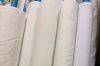
What Is Calico Fabric? Understanding Its Types, Properties, and Applications
When people hear the term “Calico Fabric,” many may picture an off-white or natural-colored fabric with a simple texture and an understated, natural appearance. It is commonly used to make fabric bags, handbags, premium promotional products, handicrafts, decorative items, clothing, and products featuring custom prints.
But what exactly is Calico Fabric?
Is Calico Fabric always made from 100% cotton?
What is the difference between Calico Fabric and canvas?
Can Calico Fabric be printed?
Does Calico Fabric shrink after washing?
Can Calico Fabric be used to make bags?
The answers may not be as straightforward as many people think.

If you are looking for a fabric that adds a soft, luxurious, and refined feel to products while enhancing their overall presentation, particularly for jewelry boxes, gift bags, bag linings, packaging, display materials, or souvenirs, one material worth considering is T-COT Velvet Fabric.
The key feature of T-COT Velvet is its surface, which has a soft pile and a subtle sheen on one side. This creates a pleasant, soft texture and helps give products a more premium appearance.
According to WLC's specifications, its T-COT Velvet Fabric is made from 100% polyester, with a width of 54 inches, a weight of approximately 160–170 GSM, and a roll length of approximately 25 yards. These specifications make it worth considering for a variety of decorative and product-manufacturing applications.
However, “T-COT” is a trade name and should not automatically be interpreted as cotton or a cotton blend.
This distinction is important because the name T-COT may be used for different types of products in the textile market. In this article, the term specifically refers to WLC's 100% polyester T-COT Velvet Fabric, as stated in its product specifications.
Before purchasing, it is important to clarify the following:
- What fiber is this T-COT fabric made from?
- What is its weight?
- What is its width?
- Is the velvet pile on one side or both sides?
- Which lining or covering applications is it suitable for?
- What type of adhesive should be used?
- Can it be sewn?
- What level of abrasion resistance is required?
This is because jewelry box lining and chair upholstery have very different requirements, even though both may use fabrics described as “velvet.”
This article explores what T-COT Velvet Fabric is, its properties, advantages and disadvantages, common applications, how it differs from conventional velvet and felt, and how to select the right fabric for different types of manufactured products.

Canvas Fabric is a durable, tightly woven fabric typically made from cotton, polyester, cotton-polyester blends, or other fibers, depending on the manufacturer's specifications.
One of its key advantages is its versatility. Canvas is available in a wide range of weights, from lightweight options for fashion and craft projects to heavier fabrics for bags, tents, tarpaulins, upholstery, and products that require greater strength.
When shopping for canvas fabric, you may come across specifications such as 8 oz, 10 oz, 11 oz, 12 oz, 14 oz, or 16 oz, which often raises questions such as:
- What weight of canvas is suitable for each application?
- What weight of canvas should be used for bags?
- Is canvas fabric waterproof?
- Is canvas the same as unbleached cotton fabric?
- What is the difference between canvas and duck canvas?
- Which is better: cotton canvas or polyester canvas?
There is no single answer that suits every application. Choosing the right canvas depends on more than weight alone. Other important factors include:
Fiber composition + Weave Structure + Fabric Density + Weight + Finishing + Coating + Product Design
This article explores what canvas fabric is, its different types, what the oz measurement means, its advantages and disadvantages, and its applications. It also explains how to choose canvas for bags, clothing, home décor, and outdoor products, along with frequently asked questions to help you make an informed purchasing decision.

If you have ever touched a fabric with a soft, fine, smooth texture that feels similar to the skin of a peach, you may have encountered Micro Peach Fabric, also known as Peach Skin Fabric.
Micro Peach fabric is used across various industries, particularly in fashion apparel, jackets, outerwear, trousers, skirts, casual wear, sportswear, linings, bags, home textiles, and certain types of decorative applications.
The key feature of this fabric lies not only in its appearance but also in its surface finishing process, which creates fine, soft fibers on the fabric's surface. This gives it a distinctive, soft texture similar to the skin of a peach, hence the name Peach Skin.
However, the term “Micro Peach” does not mean that every fabric in this category has the same specifications.
Micro Peach fabrics can vary in fiber type, denier, filament count, weave structure, weight, density, surface-brushing process, coating, and finishing.
Therefore, when selecting Micro Peach fabric for manufacturing products, you should not simply ask, “Is Micro Peach fabric good?”
Instead, ask: “Is this particular Micro Peach fabric specification suitable for the product we want to manufacture?”
For example, Micro Peach fabric intended for jackets may have different specifications from fabric designed for fashion apparel or home textiles.
This article explores what Micro Peach fabric is, how it is made, its properties, advantages and disadvantages, common applications, differences from microfiber and other fabric types, and how to select the right Micro Peach fabric for factories, clothing brands, and business owners.

If you are looking for fabric for shirts, dresses, skirts, workwear, formalwear, modern Thai outfits, fashion apparel, or products that require a smooth surface and a refined appearance, one fabric name commonly found in the Thai market is “Italian silk.”
The name may lead some people to assume that it refers to “genuine silk produced in Italy.” In reality, Italian silk, as commonly used in the Thai fabric trade, is often a commercial name for fabric with a smooth, slippery surface, a certain degree of sheen or softness, and an appearance similar to silk. The fiber content and fabric construction may vary between suppliers.
Therefore, before purchasing, you should not rely on the name “Italian silk” alone. Instead, check the following:
- What fibers is the fabric made from?
- What are its weight and thickness?
- Does it drape fluidly or hold its shape?
- How much sheen does it have?
- Is it suitable for shirts, dresses, skirts, or other products?
- Does it require a lining?
- Is it suitable for printing?
- Should the actual fabric be tested before proceeding with bulk production?
This article explores what Italian silk fabric is, its properties, advantages and limitations, how it differs from genuine silk and satin fabric, and the applications it is suitable for. The goal is to help tailoring shops, garment factories, fashion brands, and business owners select materials that better match their products.

SUN STAR tarpaulin is one of the materials worth considering for commercial tent manufacturing, including shop tents, event tents, market tents, exhibition booth tents, and temporary covered structures. It is particularly relevant for outdoor applications that require tarpaulin material designed for repeated use.
For tent manufacturers and business owners, the key question is not simply, “Can this tarpaulin be used to make tents?”
Instead, consider the following:
“What type of tent will it be used for? How will it be used? How long will it remain outdoors? Will it need to be moved frequently? And what properties are required from the tarpaulin?”
This is because market stalls, event tents, restaurant tents, and tents installed outdoors for extended periods have different requirements.
This article will explore what SUN STAR tarpaulin is, which types of tents it is suitable for, which properties should be considered, how SUN STAR and SUN STAR UV differ in terms of application, and what manufacturers should check before placing bulk production orders.
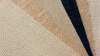
When it comes to materials that convey a natural look, distinctive texture, and a rustic, natural, or handcrafted aesthetic, one material that often comes to mind is Gunnio jute fabric, also known as “Indian jute sacking.”
This type of material can be used in a wide range of applications, from bags, gift bags, packaging, and premium promotional products to interior decoration, event styling, weddings, DIY projects, and products for retailers and brands seeking a natural material aesthetic.
Before choosing this material, however, there are several important questions to consider:
- What is Gunnio jute fabric?
- Is Gunnio jute fabric the same as conventional burlap?
- What is Indian jute sacking made of?
- Can it be used to make bags?
- What is the difference between coated and uncoated versions?
- Is it waterproof?
- Is it genuinely suitable for eco-friendly brands?
- How do you choose the right type for your intended product?
This article introduces Gunnio jute fabric (Indian jute sacking), covering its basic characteristics, properties, applications, advantages, considerations, and selection guidelines for business owners, factories, brand owners, promotional product companies, and anyone looking for materials to develop new products.
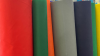
Spunbond fabric is a type of nonwoven fabric that is widely used across various industries, including bag and tote bag manufacturing, packaging, agriculture, and industrial applications. It is particularly suitable for applications that require lightweight materials that can be processed into a wide range of products.
One of the key advantages of spunbond fabric is its availability in different weight levels, commonly measured in GSM (grams per square meter). This allows manufacturers to select the appropriate specifications for their intended applications, from thin, lightweight fabrics to thicker materials that offer greater strength and durability.
This article provides an in-depth introduction to spunbond fabric, covering its definition, properties, how to choose the right GSM, common applications, and frequently asked questions from manufacturers and business owners before making a purchase.
