What Is Micro Peach Fabric? Properties, Advantages, Disadvantages, and Applications
What Is Micro Peach Fabric?
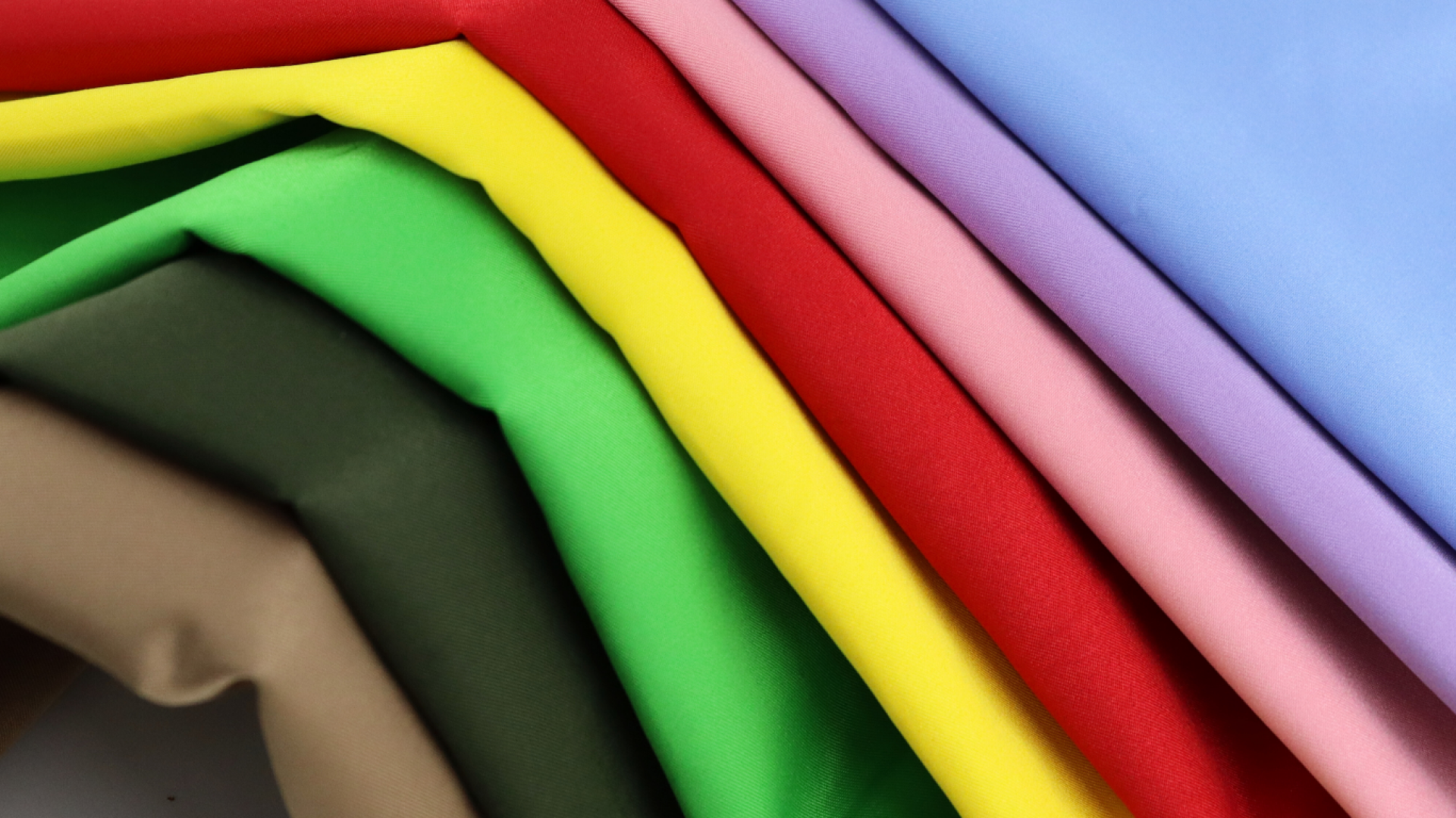
Micro Peach Fabric, also known as Micro Peach Skin Fabric, is a fabric that undergoes a surface-finishing process to create fine fibers or a soft, short nap on its surface. This gives the fabric a soft, smooth texture that feels similar to the skin of a peach.
In the textile market, you may encounter several related terms, including:
- Micro Peach
- Micro Peach Skin
- Peach Skin
- Peachskin Fabric
- Peach Finish
- Brushed Microfiber
- Sanded Fabric
These terms may be used interchangeably in some markets, but they should not be taken to mean that all products have the same structure or specifications.
Many Micro Peach fabrics are made from Polyester Microfiber, or fine polyester fibers, and then undergo a brushing or sanding process to create the characteristic peach-skin texture.
The fabric's distinctive qualities result from two key factors working together: fine fiber structure and surface-finishing processes.
Why Is It Called “Peach Skin”?
The term Peach Skin comes from the fabric's surface, which resembles the skin of a peach.
If you touch a peach, you will notice that its surface is covered with very fine, soft hairs.
Peach Skin fabric is designed to create a similar effect, with a nap, or extremely fine, short fibers, on its surface.
This nap is not as thick as that found on fleece, velvet, velour, or fur. Instead, the fibers are so fine that they may be almost invisible to the naked eye.
When touched by hand, the fabric feels soft, smooth, and fine, with a distinctive soft-touch texture. This is one of the defining characteristics of Micro Peach fabric.
What Is Micro Peach Fabric Made Of?
Many Micro Peach fabrics available on the market are made from polyester, particularly Polyester Microfiber. However, Micro Peach is not a fiber composition name.
Therefore, you should not automatically assume that every Micro Peach fabric is 100% polyester.
Depending on the manufacturer and intended application, the composition may vary, including:
- 100% Polyester
- Polyester Blend
- Polyester + Spandex
- Recycled Polyester
- Other fiber blends
If you need this information for any of the following purposes:
- Care Labels
- Product Specifications
- Export
- Garment Production
- Printing
- Dyeing
- Sustainability Claims
You should request the specific product's fiber composition directly from the supplier.
What Is Microfiber?
The term Microfiber refers to fibers that are extremely fine.
Fine fibers can create a soft, smooth, dense surface with a hand feel that differs from fabrics made with coarser fibers.
When Polyester Microfiber is woven and undergoes a brushing or sanding process, it can develop a Peach Skin effect.
This is why terms such as Microfiber Peach Skin and Micro Peach are commonly found in the textile market.
Are Micro Peach and Microfiber the Same?
They should not be used interchangeably in every context.
Microfiber describes fibers with an extremely fine diameter.
In contrast, Micro Peach is a term commonly used for fabrics with a Peach Skin finish or a peach-like surface texture.
Simply put, many Micro Peach fabrics can be made from microfiber, but not all microfiber fabrics are Micro Peach.
For example, microfiber can be used to produce:
- Cleaning Cloths
- Car-Cleaning Cloths
- Upholstery
- Sportswear
- Bedding
These applications do not necessarily require a Peach Finish.
What Is the Peach Finish Process?
The key to Micro Peach fabric lies in its surface finishing.
The base fabric undergoes processes such as brushing or sanding, which raise the fine fibers on its surface.
The result is a fabric with:
- A finer surface texture
- A softer feel
- Reduced stiffness compared with the base fabric
- A distinctive Peach Skin texture
The intensity of brushing or sanding can vary, resulting in differences in hand feel between Micro Peach fabric varieties.
Some fabrics may feel very soft, while others have only a slight softness. Some have a matte surface, while others have a subtle sheen.
Therefore, evaluating an actual fabric sample is essential when selecting Micro Peach fabric.
What Weave Structures Are Used for Micro Peach Fabric?
Micro Peach fabric can be produced using several types of weave structures, including:
- Plain Weave
- Twill Weave
- Certain Satin Structures
The weave structure affects the fabric's strength, drape, texture, sheen, thickness, and how it falls.
Therefore, the term “Micro Peach” alone does not provide complete information about the fabric's weave structure.
What Are the Properties of Micro Peach Fabric?
The properties of Micro Peach fabric vary by specification, but fabrics in this category generally share the following characteristics.
1. Soft Texture
This is the fabric's most distinctive feature.
Brushing or sanding creates fine fibers on the surface, giving the fabric a softer feel than some types of smooth polyester fabric.
This makes it suitable for products that require a soft-touch texture, such as shirts, trousers, jackets, loungewear, bedding, and cushions.
2. Fine Surface Texture
Micro Peach does not have a clearly defined long pile like velvet. Instead, many specifications offer a fine, matte or semi-matte surface.
This gives it a different appearance from Polyester Taffeta, which typically has a smoother, slicker, and shinier surface.
3. Good Drape in Many Specifications
Micro Peach fabrics with a suitable weight can offer good drape, making them suitable for shirts, dresses, skirts, casual wear, and outerwear.
However, drape depends on several factors:
Weight + Weave + Fiber + Finishing
Therefore, the actual fabric should be evaluated before making a selection.
4. A Softer Feel Than Conventional Polyester
Some consumers associate polyester with a smooth, slippery, or plastic-like surface.
However, the use of microfiber and a Peach Finish can significantly change the hand feel of polyester, making it more suitable for products that require a softer, more skin-friendly feel.
5. Available in Various Weights
Micro Peach fabric does not have a single standard GSM. It is available in a range of weights, from lightweight to medium-weight and heavier options.
Selection should therefore be based on the intended application. For example, Micro Peach fabric for blouses should not be selected using the same criteria as fabric intended for jackets.
What Can Micro Peach Fabric Be Used For?
Micro Peach is a versatile fabric used across a wide range of applications, particularly in garments, fashion, sportswear, outdoor products, home textiles, and accessories.
1. Jackets
One of the common applications is lightweight jackets.
The fabric offers a soft texture, is available in lightweight specifications, and can be sewn into outer layers. It also has a different character from nylon or taffeta.
Suitable applications include:
- Casual Jackets
- Certain Types of Windbreakers
- Fashion Jackets
- Staff Jackets
- Promotional Jackets
However, if specific windproof or waterproof performance is required, additional product specifications must be checked.
2. Fashion Apparel
Micro Peach can be used to make:
- Blouses
- Shirts
- Overshirts
- Casual Tops
- Fashion Tops
It is particularly suitable for designs that require a matte surface and soft-touch texture.
3. Trousers
Depending on the specification, Micro Peach can be suitable for various types of trousers, such as:
- Casual Pants
- Beach Pants
- Joggers
- Fashion Pants
- Lightweight Trousers
4. Shorts
Micro Peach can be used for several types of shorts, including:
- Beach Shorts
- Casual Shorts
- Certain Types of Sports Shorts
- Resort Wear
For sportswear applications, the fabric's moisture-wicking and quick-drying performance should be verified for the specific product.
5. Skirts
With good drape in many specifications, Micro Peach can be used to make:
- A-Line Skirts
- Long Skirts
- Casual Skirts
- Fashion Skirts
Opacity and the need for lining should be evaluated before production.
6. Dresses
Micro Peach can be used for dresses that require a combination of soft appearance, matte finish, and drape.
Examples include:
- Casual Dresses
- Shirt Dresses
- Resort Dresses
- Long Dresses
For formal dresses that require a high-shine finish, satin may offer a different visual character.
7. Outerwear
Micro Peach can be used for:
- Lightweight Coats
- Overshirts
- Long Jackets
- Fashion Outerwear
It is particularly suitable for designs that require a soft fabric texture.
8. Casual Wear
Its soft hand feel makes Micro Peach suitable for certain types of loungewear, such as:
- Loungewear
- Certain Pajama Designs
- Casual Sets
Comfort should still be evaluated under the actual wearing conditions and climate.
9. Sportswear
Certain Micro Peach specifications are used in sportswear, including:
- Shorts
- Training Pants
- Track Pants
- Lightweight Jackets
However, not every Micro Peach fabric should be classified as sports fabric. Sportswear may require specific performance characteristics, including:
- Moisture Management
- Quick Dry
- Stretch
- Breathability
These properties must be verified separately for the specific fabric.
10. Beachwear
The term Peach Skin is commonly found in the beach shorts and resort wear markets.
Its lightweight construction, soft-touch texture, drape, and polyester composition can make it suitable for casual clothing designed for leisure and beach activities.
For garments intended for direct contact with water, drying performance and colorfastness should also be evaluated.
11. Uniforms
Micro Peach may be considered for certain types of uniforms that require:
- A soft fabric texture
- A relatively low-sheen appearance
- Lightweight construction
Examples include:
- Staff Jackets
- Service Uniforms
- Casual Corporate Wear
Wash testing should be conducted before large-scale production.
12. Linings
Certain Micro Peach fabrics can be used as linings or inner layers.
However, thickness and friction should be considered because the Peach Finish may create more friction than taffeta lining specifically designed for a slippery surface.
13. Bags
Micro Peach can be used for certain bag designs, including:
- Fashion Bags
- Pouches
- Soft Bags
- Drawstring Bags
- Inner Compartments
- Decorative Panels
However, it should not be selected for heavy-duty bags based on the fabric name alone. The following properties should be evaluated:
- Tear Strength
- Abrasion Resistance
- Coating
- Seam Strength
14. Hats
Micro Peach can be used for:
- Bucket Hats
- Fashion Hats
- Certain Types of Outdoor Hats
Its soft-touch texture and matte appearance can create a different look from nylon.
15. Footwear and Accessories
Certain Micro Peach constructions can be used as decorative textiles for:
- Footwear
- Bags
- Accessories
- Soft Trims
Abrasion resistance should be checked, especially in areas subject to frequent friction.
16. Bed Sheets
Peach Skin polyester is used in the home textile market for products such as:
- Bed Sheets
- Duvet Covers
- Pillowcases
Its soft surface makes it suitable for applications where a comfortable hand feel is desired.
However, bedding specifications often differ from those of garment Micro Peach, including:
- Width
- GSM
- Weave
- Finishing
Therefore, fabric designed for apparel should not automatically be used for bedding.
17. Pillowcases
The soft-touch quality of Peach Finish makes it suitable for products that come into contact with the skin, including pillowcases and cushion covers.
18. Curtains
Micro Peach can be used for certain types of curtains and decorative drapery, particularly where the design requires:
- A Soft Surface
- Good Drape
- A Matte Appearance
Depending on the project, the following properties should also be checked:
- Light Blocking
- UV Resistance
- Colorfastness
- Flame Requirements
19. Cushions and Home Décor
Micro Peach can be used for:
- Cushions
- Decorative Pillows
- Bed Runners
- Soft Panels
For upholstery intended for heavy use, choose a specification with suitable abrasion performance.
What Are the Advantages of Micro Peach Fabric?
1. Soft Touch Its soft texture helps distinguish it from smooth-surface polyester fabrics.
2. A Softer Appearance The Peach Finish gives the fabric a softer look and feel.
3. Versatile Applications It can be used for a wide range of products, from garments to home textiles.
4. Suitable for Fashion Applications Its matte or soft surface allows designers to create a variety of looks.
5. Good Drape in Many Specifications It is suitable for garments that require fluid drape.
6. Available in a Wide Range of Colors Polyester can be produced in a broad range of colors.
7. Relatively Easy to Care for in Many Specifications This is particularly true of polyester fabrics, although the actual care instructions should always be checked.
What Are the Disadvantages of Micro Peach Fabric?
1. The Peach Finish May Not Suit Every Design
If a design requires a glossy or crisp surface, Micro Peach may not be the right choice.
2. Pilling May Occur in Some Specifications
Fine surface fibers may be prone to pilling due to friction.
The level of pilling depends on:
- Fiber
- Finishing
- Construction
- Usage Conditions
Pilling tests should be conducted if the finished product has specific performance requirements.
3. Static Electricity May Occur
Polyester can generate static electricity under certain environmental conditions.
For applications with anti-static requirements, an appropriate fabric specification or treatment should be selected.
4. Not All Micro Peach Fabrics Are Waterproof
A Peach Skin Finish does not mean that the fabric is waterproof.
If water resistance is required, the following should be checked separately:
- WR (Water Repellent)
- PU Coating
- Coating
- Hydrostatic Performance
5. Quality Varies Significantly by Manufacturer
Fabrics sold under the same name, Micro Peach, may differ in:
- Softness
- Density
- Drape
- Weight
- Color
- Finish
Therefore, requesting a sample is essential.
Is Micro Peach Fabric Waterproof?
The answer is you should not assume that every type of Micro Peach fabric is waterproof.
The term Peach Skin describes the material's surface texture, not its waterproof rating.
Some specifications may have additional treatments, such as:
- Water-Repellent Finish
- PU Coating
- WR Treatment
Therefore, if a customer requires resistance to water splashes, rain, or full waterproof performance, the requirements should be clearly specified.
How Are Water Repellency and Micro Peach Related?
Some Micro Peach fabrics can undergo WR (Water Repellent) treatment, which helps water bead on the surface and roll off more easily.
However, it is important to understand that:
Water Repellent is not the same as Waterproof.
If an application requires a specific level of water resistance, additional test results should be reviewed.
Is Micro Peach Fabric Breathable?
Breathability should not be determined by the name Micro Peach alone.
It depends on several factors:
- Density
- Weight
- Fiber
- Weave
- Coating
- Finishing
A tightly woven fabric may be less breathable than one with a more open structure.
Therefore, if Micro Peach is intended for sportswear, summer wear, or uniforms, wear testing should be conducted.
Is Micro Peach Fabric Hot to Wear?
The perception of whether a fabric feels hot depends on several factors, including:
- Polyester Composition
- Fabric Weight
- Thickness
- Density
- Fit
- Lining
- Weather Conditions
Some Micro Peach specifications may be suitable for clothing in hot climates, while others may be better suited to outerwear.
Does Micro Peach Fabric Dry Quickly?
When made from polyester, Micro Peach behaves differently from cotton in terms of water absorption and can dry relatively quickly in many fabric constructions.
However, the actual drying performance of a finished product depends on:
Thickness + Density + Finish + Garment Construction
Therefore, a specific drying time should not be stated without testing.
Does Micro Peach Fabric Wrinkle Easily?
Polyester generally offers better shape recovery and wrinkle resistance than some natural fibers.
However, the Peach Finish and fabric construction can still affect the fabric's appearance.
For uniforms or travel-related products, wrinkle testing should be conducted according to the product's requirements.
How Does Micro Peach Differ from Regular Polyester?
Polyester refers to the fiber type, while Micro Peach describes a fabric characteristic created through its construction and finishing.
In simple terms:
Polyester → Raw Material
Micro Peach → Finished Fabric Type / Trade Description
Polyester can be manufactured into various fabric types, including:
- Taffeta
- Oxford
- Satin
- Micro Peach
- Fleece
- Mesh
Therefore, these terms should not all be treated as equivalent categories for comparison.
What Is the Difference Between Micro Peach and Microfiber?
Microfiber describes fibers with an extremely fine diameter.
Micro Peach describes a fabric with a Peach Skin surface.
Therefore, microfiber is one of the materials that can be used to produce Micro Peach fabric.
What Is the Difference Between Micro Peach and Micro Suede?
Both fabrics can offer a soft-touch feel, but they have different characteristics.
Micro Peach
- Typically has an extremely fine, short nap.
- Retains a distinct fabric-like appearance.
- Suitable for garments, jackets, trousers, home textiles, and similar applications.
Micro Suede
- Is designed to resemble the surface of suede leather more closely.
- Often has a more pronounced nap.
- May have a denser surface and a more suede-like appearance.
- Suitable for sofas, shoes, bags, interiors, and fashion products.
However, the characteristics of each product should be verified using actual samples.
What Is the Difference Between Micro Peach and Taffeta?
Taffeta typically has a smooth, slippery, and relatively crisp surface, while Micro Peach has a soft, brushed surface. As a result, the two fabrics create different visual and tactile effects.
Taffeta is commonly used for:
- Linings
- Jackets
- Bags
- Umbrellas
- Outer Layers
Micro Peach may be suitable for:
- Fashion Apparel
- Casual Wear
- Soft-Texture Jackets
- Trousers
- Dresses
The final choice depends on the fabric specification and intended application.
What Is the Difference Between Micro Peach and Taslan?
Taslan is associated with yarns processed through air texturing, which can create a texture that resembles natural fibers in many applications.
Micro Peach, by contrast, focuses on achieving a Peach Finish.
Both fabrics can be used for:
- Jackets
- Outdoor Wear
- Trousers
However, their hand feel and structure differ, so actual samples should be compared before making a selection.
What Is the Difference Between Micro Peach and Satin?
Satin is known for its smooth surface and sheen.
Micro Peach is characterized by its soft texture, matte or semi-matte appearance, and peach-like feel.
Therefore, satin may be more suitable for eveningwear that requires a high-shine finish.
For casual dresses that require a soft texture and reduced sheen, Micro Peach may be an alternative.
Is Micro Peach Suitable for Thailand's Climate?
Micro Peach can be used in Thailand, but the appropriate specification must be selected.
Thailand has high temperatures, high humidity, and a rainy season.
For daytime clothing, consider specifications that offer:
- Lightweight Construction
- Good Breathability
- No Heavy Coating
- Garment Patterns That Allow Airflow
For jackets intended for air-conditioned environments or cooler weather, heavier specifications may also be suitable.
How to Choose Micro Peach Fabric for Clothing
1. Weight Fabric that is too heavy may not be suitable for blouses.
2. Drape The fabric's drape should complement the garment pattern.
3. Opacity Check whether the fabric requires lining.
4. Surface Texture Evaluate the intensity of the Peach Skin effect.
5. Comfort Conduct wear testing to assess comfort under actual wearing conditions.
Can Micro Peach Fabric Be Printed?
It depends on the fabric's composition and finishing.
If the fabric is polyester, certain printing methods may be suitable, such as sublimation printing, provided that the fabric and its finishing are compatible with the process.
However, the Peach Skin surface can affect print sharpness.
Therefore, a print test should be conducted before mass production.
Why Does Peach Finish Affect Printing?
Peach Finish creates a surface that is not completely smooth.
The fine fibers raised on the fabric's surface can cause printed edges to appear different from those on smooth fabrics.
If the design contains highly detailed graphics, a print test should be conducted before production.
How Should Micro Peach Fabric Be Washed?
Always refer to the care instructions for the specific fabric, as finishing, coating, and composition may vary.
For garment manufacturers, a wash test should be conducted before determining the care label instructions.
Can Micro Peach Fabric Be Ironed?
If the fabric is polyester, the ironing temperature should be appropriate for the fiber.
Excessive heat can affect the following:
- Surface Texture
- Peach Finish
- Gloss
- Shape
An ironing test should be conducted before setting the recommended ironing temperature.
Does Micro Peach Fabric Shrink?
Shrinkage should not be assumed or ruled out without testing.
Although polyester often offers good dimensional stability, the following factors can affect shrinkage:
- Weave
- Finishing
- Heat
- Washing
Does the Peach Finish Wear Off After Washing?
The Peach Finish is created by mechanically modifying the fiber surface, rather than relying solely on a coating applied to the fabric's surface.
However, the fabric's appearance and hand feel can change due to:
- Washing
- Friction
- Pilling
- Length of Use
Therefore, wash durability testing is recommended for products that require frequent washing.
How to Select Micro Peach Fabric for Factories
Follow these steps when selecting Micro Peach fabric for manufacturing.
Step 1: Define the Application
Identify the intended product, such as shirts, trousers, jackets, bags, or home textiles.
Step 2: Specify the Composition
Determine whether polyester or a blended fabric is required.
Step 3: Check the Weight
Ensure that the fabric weight is suitable for the intended product.
Step 4: Check the Width
Fabric width affects material yield and cutting efficiency.
Step 5: Evaluate the Hand Feel
Ensure that the Peach Skin effect is appropriate for the design.
Step 6: Check Functional Requirements
Identify any required performance properties, such as water resistance, UV resistance, quick-drying performance, or stretch.
Step 7: Conduct a Sewing Test
Evaluate seam performance and sewing suitability.
Step 8: Conduct a Wash Test
Check for shrinkage and changes in surface texture.
Step 9: Develop a Prototype
Manufacture an actual product sample to evaluate its performance.
Step 10: Approve the Fabric
Retain an approved master sample for quality control and future production reference.
Proceed to mass production only after the fabric and prototype have been approved.
How Clothing Brands Should Choose Micro Peach Fabric
Clothing brands should look beyond whether a fabric looks attractive. They should also evaluate the following factors:
- MOQ (Minimum Order Quantity)
- Stock Availability
- Color Options
- Repeat Order Availability
- Shade Consistency
- Lead Time
- Price
- Printing Compatibility
- Quality Consistency
These factors are important because a successful collection may require repeat orders. Consistent quality, color shades, and supply availability help brands maintain product consistency across production runs.
How to Choose Micro Peach Fabric for Tailoring Shops
Allow customers to feel the fabric, assess its drape, check the color, and try draping it over their body before making a selection. Softness and drape cannot be fully conveyed through written descriptions alone.
10 Common Mistakes When Choosing Micro Peach Fabric
1. Assuming All Micro Peach Fabrics Are the Same They are not.
2. Choosing Based on Softness Alone Strength and durability matter, too.
3. Assuming Peach Finish Means Waterproof It does not.
4. Ignoring GSM This can lead to choosing the wrong fabric for the intended application.
5. Ignoring Fabric Width Width directly affects material costs and fabric yield.
6. Skipping Sewing Tests This may lead to problems during production.
7. Skipping Wash Tests The fabric surface may change after washing.
8. Failing to Check Pilling Resistance This is especially important for fabrics with a brushed surface.
9. Skipping Print Tests Printed results may differ from the mockup.
10. Choosing the Lowest Price Without Considering Reject Rates and Product Lifespan A lower purchase price does not always mean a lower overall cost.
What Should You Ask a Supplier Before Buying Micro Peach Fabric?
At a minimum, ask the supplier the following questions:
- What is the fabric composition?
- What is the fabric width?
- What is the fabric weight in GSM?
- What is the weave structure?
- Does the fabric have any coating?
- Does it have a water-repellent (WR) finish?
- Is it suitable for sublimation printing?
- What applications is it suitable for?
- What colors are available?
- Are fabric samples available?
- How many meters or yards are there per roll?
- What is the minimum order quantity (MOQ)?
- Is a test report available?
Summary
Micro Peach fabric, also known as Micro Peach or Peach Skin Fabric, is characterized by its fine, soft surface created through brushing or sanding, which raises delicate fibers to produce a peach-like feel.
Many fabrics in this category are made from polyester microfiber. However, not all Micro Peach fabrics are 100% polyester, as composition and specifications can vary by product.
The key characteristics of Micro Peach fabric include:
Soft Touch: A soft, pleasant hand feel.
Fine Surface: A delicate, lightly brushed texture.
Matte or Semi-Matte Look: Common in many specifications.
Good Drape: Suitable for various types of clothing.
Versatility: Available for a wide range of applications.
Examples of applications include:
Shirts and jackets
Trousers and shorts
Skirts and dresses
Casual wear
Certain types of sportswear
Hats and bags
Bed sheets and pillowcases
Curtains and other home textiles
However, buyers and manufacturers should understand one important point:
The term “Micro Peach” describes the fabric's surface character, not its overall performance.
Therefore, the following assumptions are not automatically correct:
Micro Peach = Waterproof
Micro Peach = Quick Dry
Micro Peach = Sports Fabric
Micro Peach = Breathable
These properties must be evaluated based on the fabric's composition, weave, density, GSM, coating, finishing, and product-specific test results.
For different applications, consider the following requirements:
Clothing for hot climates: Check fabric weight, density, and breathability.
Jackets: Evaluate water resistance and wind performance.
Sportswear: Test quick-drying performance, moisture management, and stretch.
Trousers: Check tensile strength, tear strength, and abrasion resistance.
Bedding: Consider fabric width, pilling resistance, washability, and colorfastness.
For garment factories, fashion brands, tailoring shops, and other businesses, a systematic selection process is recommended:
Define the application → Check composition → Select GSM → Evaluate hand feel → Verify functional requirements → Request samples → Conduct sewing tests → Conduct wash tests → Develop a prototype → Approve the sample → Begin mass production
Rather than simply asking, “Is Micro Peach fabric good?”, a more useful question is:
“Is this specific Micro Peach fabric suitable for our product and intended application?”
The best Micro Peach fabric is not necessarily the softest, thickest, or most expensive option. It is the fabric that achieves the right balance of hand feel, appearance, functionality, production requirements, quality, and cost for the product being developed.
