What Is Spunbond Fabric? Understanding Its Properties, Applications, and How to Choose the Right GSM for Your Needs
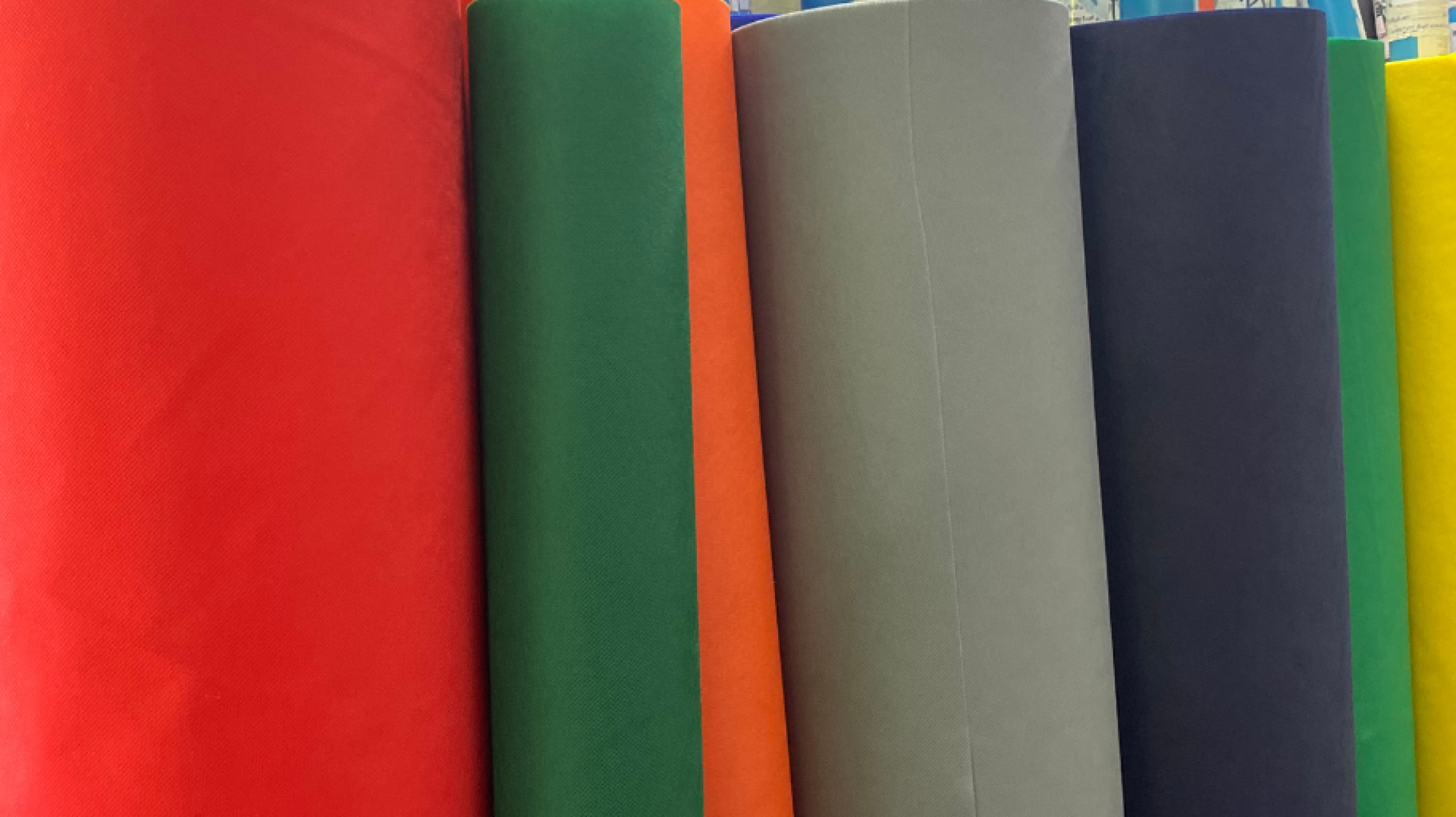
Spunbond fabric
is a type of nonwoven fabric, which differs from conventional fabrics made by weaving or knitting yarns together.
The spunbond manufacturing process involves arranging fibers and bonding them together to form a continuous sheet of fabric. This process allows manufacturers to produce fabric in continuous rolls and customize various properties, such as weight, thickness, and color, to suit different applications.
One of the most commonly used raw materials in spunbond production is polypropylene (PP), a lightweight material that can be processed into a wide variety of products.
In simple terms, spunbond fabric is a nonwoven material made by bonding fibers together into a sheet without using conventional weaving processes. Because of its unique structure, spunbond has different characteristics and applications compared with woven fabrics such as cotton, canvas, or polyester woven fabric.
What Is Spunbond Fabric Made Of?
Spunbond fabric can be manufactured from several types of polymers, but one of the most common types available on the market is PP Spunbond, or Polypropylene Spunbond.
Polypropylene is a relatively lightweight synthetic material suitable for producing continuous filaments, which are then bonded together to form a nonwoven sheet.
During the spunbond manufacturing process, the fabric's weight per unit area can be adjusted to meet different requirements. This gives rise to the GSM classifications commonly used by buyers in the market, including:
- 25 GSM Spunbond
- 30 GSM Spunbond
- 40 GSM Spunbond
- 50 GSM Spunbond
- 60 GSM Spunbond
- 75 GSM Spunbond
- 90 GSM Spunbond
- 100 GSM Spunbond
- 120 GSM Spunbond
These figures play an important role in material selection because they indicate not only the fabric's perceived thickness but also the weight of the material per unit area.
What Is GSM (Grams per Square Meter) in Spunbond Fabric?
GSM stands for Grams per Square Meter, which refers to the weight of a material per square meter.
For example:
Spunbond 75 GSM means that one square meter of spunbond fabric weighs approximately 75 grams, according to the specified product specifications.
Therefore, “75 GSM” does not mean that the fabric weighs 75 grams per yard or per roll.
In general, as the GSM value increases, the amount of material per unit area also increases, resulting in different fabric characteristics compared with lower-GSM specifications.
However, determining which spunbond fabric is stronger or more suitable for a particular application should not be based on GSM alone. Other factors, including raw material quality, manufacturing processes, and material structure, must also be considered.
What Are the Key Features of Spunbond Fabric?
The properties of spunbond fabric may vary depending on the raw materials, GSM, and manufacturing processes. However, its common features that make it a popular material include the following:
1. Lightweight
Spunbond can be manufactured with a relatively low weight per unit area, making it suitable for products that require lightweight materials.
2. Available in Various GSM Options
Manufacturers can select specifications based on their product requirements. Lower GSM options may be suitable for applications requiring thinner materials, while higher GSM options can be chosen when more material substance is needed.
3. Available in Multiple Colors
Spunbond fabric is available in a wide range of colors, making it suitable for products where visual appeal, brand identity, or promotional marketing are important considerations.
4. Versatile Processing Applications
Spunbond can be cut, sewn, or formed into various products, depending on the machinery and manufacturing processes used by the factory.
5. Suitable for a Wide Range of Applications
Due to its cost and material characteristics, spunbond is used in various products, including packaging, bags, agricultural applications, and certain industrial applications.
What Are the Common Applications of Spunbond Fabric?
The question “What is spunbond fabric used for?” is one of the most important considerations before purchasing, as spunbond can be used in a wide variety of applications.
Common applications include the following:
1. Spunbond Bags
One of the most common applications of spunbond fabric is bag manufacturing, including:
Shopping bags
Event bags
Promotional giveaway bags
Public relations bags
Bags for various activities
Product packaging bags
Bags in colors that match a brand's identity or marketing campaign
For bag manufacturing, it is important to select the appropriate GSM based on the bag's size, structure, and the weight of the items it will carry.
2. Promotional Bags
Many businesses use spunbond fabric to produce giveaway bags for marketing activities, such as trade shows, product launches, seminars, conferences, events, and promotional campaigns.
The material is suitable for bulk production, and bag sizes can be customized to accommodate different products.
3. Packaging and Product Covers
Spunbond can be used as a material for packaging components or product covers in certain applications, such as:
Product bags
Product covers
Premium gift bags
Gift set packaging
Packaging bags for order fulfillment
GSM selection should take into account the product's weight, shape, and required level of strength.
4. Agricultural Applications
Certain types of nonwoven fabric can be used in agriculture, such as for covering or protecting plants. However, the material must be specifically selected for agricultural applications.
For extended outdoor use, buyers should check UV resistance, service life, and environmental suitability before purchasing. Not all spunbond fabrics are suitable for outdoor applications.
5. Industrial Applications
Spunbond can also serve as a component material in the manufacturing processes of certain industrial products.
However, requirements vary across industries. Buyers should clearly communicate the following information to their suppliers:
What product will the material be used to manufacture?
What GSM is required?
Are any special properties needed?
Providing these details helps reduce material selection errors and ensures that the chosen specifications are appropriate for the intended application.
What GSM Options Are Available for Spunbond Fabric?
Spunbond fabric is available in a variety of GSM options, depending on the manufacturer and product specifications.
Examples of GSM options commonly found in the market include:
GSM
General Selection Guidelines
- 25 GSM
Focuses on lightweight materials
- 30 GSM
Suitable for lightweight applications
- 40 GSM
Suitable for certain general-purpose applications
- 50 GSM
Offers more material substance than lower-GSM options
- 60 GSM
Suitable for applications requiring more material substance
- 75 GSM
Offers a balance between weight and fabric substance
- 90 GSM
Provides greater material substance
- 100 GSM
Suitable for applications requiring higher GSM
- 120 GSM
Suitable for applications requiring even greater material substance
Note: This table should be used as a general reference only and should not replace actual material testing.
For manufacturers producing products that must carry weight, it is recommended to develop and test a prototype or sample before placing a large production order.
How to Choose the Right GSM for Spunbond Fabric?
There is no single GSM that is the “best” choice for every application. A more effective approach is to start with the application, or the product you intend to manufacture.
Applications Requiring Lightweight Materials
Consider lower-GSM spunbond options, while ensuring that the material meets the required strength and performance specifications.
General-Purpose Applications
Consider mid-range GSM options and test the material by producing a sample of the actual product.
Bags or Packaging Requiring More Material Substance
Consider higher-GSM options and conduct actual load-bearing tests to evaluate performance.
Applications Requiring High Strength
Increasing GSM alone is not sufficient. It is also important to determine whether spunbond is the right material for the intended application.
In some cases, alternative materials such as canvas, polyester Oxford fabric, or coated fabrics may be more suitable, depending on the specific requirements.
What Is the Difference Between Spunbond and Canvas Fabric?
Although both spunbond and canvas can be used to manufacture bags, they have several important differences.
Spunbond Fabric
A type of nonwoven fabric
Lightweight
Available in various GSM options
Commonly used for promotional bags and shopping bags
Suitable for certain types of large-volume production
Canvas Fabric
A woven fabric
Features a visible yarn structure
Available in various thicknesses and material compositions
Commonly used for fashion bags, tote bags, aprons, and lifestyle products
May be more suitable when a woven-fabric appearance is desired
For large-volume promotional giveaways, spunbond may be a practical option to consider.
However, if you want a woven-fabric appearance and a different product look and feel, canvas may be the more suitable choice.
Can Spunbond Fabric Be Printed with a Logo?
In general, spunbond fabric can be used for certain types of printing. However, the suitability of each printing method depends on several factors, including:
Raw material composition
Fabric color
GSM
Design size
Number of colors
Printing equipment
Type of ink used
Production volume
Therefore, if you plan to manufacture bags with a printed logo, it is recommended to test the actual material using the intended printing method before proceeding with mass production.
Is Spunbond Fabric Waterproof?
This question requires distinguishing between low water absorption, water resistance, and waterproofing.
Polypropylene (PP) behaves differently when exposed to water compared with certain natural fibers. However, this does not mean that all spunbond fabrics are waterproof.
Water may pass through gaps in the material's structure, depending on the product specifications and manufacturing process.
Therefore, if your application requires true waterproof performance, you should verify the specifications of each product or consider materials specifically designed for waterproof applications.
Can Spunbond Fabric Be Used Outdoors?
Spunbond fabric can be used for certain outdoor applications, but the intended duration of use and material specifications must be considered.
If the material will be exposed to sunlight for extended periods, check whether the product has been designed to provide UV resistance.
Standard spunbond fabric should not automatically be used as a substitute for materials specifically designed for outdoor applications, particularly when continuous, long-term use is required.
Which Types of Businesses Are Spunbond Fabric Suitable For?
Spunbond can serve as a raw material for various types of businesses, including:
Bag Manufacturing Factories
Used to manufacture nonwoven bags and shopping bags according to customer specifications.
Premium Gift Companies
Used to produce bags for marketing campaigns and promotional activities.
Event Companies and Organizers
Suitable for seminars, product launches, conferences, and promotional events.
Packaging Manufacturers
Can be considered as a component material for certain types of packaging.
Wholesale Fabric and Material Suppliers
Suitable for resale to manufacturers who require different colors and GSM options.
OEM Product Manufacturers
Can be considered as one of the material options when customers require nonwoven products.
What Information Should You Provide Before Purchasing Spunbond Fabric?
To help suppliers recommend the most suitable product specifications, prepare the following information before placing an order.
1. Intended Application
Specify what you plan to manufacture, such as bags, product covers, packaging, or industrial products.
2. Required GSM
If you are unsure which GSM to choose, describe your intended application so the supplier can recommend suitable specifications for testing.
3. Required Color
Specify the desired color, particularly if it needs to match your company's corporate colors.
4. Required Quantity
The order quantity affects production planning and purchasing arrangements.
5. Special Requirements
Specify any additional requirements, such as printing compatibility, outdoor use, or specific factory standards.
Why Should You Test a Sample Before Mass Production?
Even when two fabrics have the same specified GSM, their performance may differ when used to manufacture actual products.
For factories and manufacturers, requesting a sample for testing helps verify the following:
Whether the thickness is suitable for the intended application
Whether the color matches the required specifications
Whether the material is compatible with the machinery being used
Whether the finished product achieves the desired shape and appearance
Whether the material can support the intended load
Whether the fabric is compatible with the printing system used by the factory
Testing before mass production can help reduce the risk of selecting materials with unsuitable specifications
Summary: What Applications Is Spunbond Fabric Suitable For?
Spunbond fabric is a type of nonwoven material with a wide range of applications, particularly in bags, packaging, event merchandise, promotional products, agricultural applications, and certain industrial uses.
The key to selecting spunbond is not choosing the “thickest” material or the “highest GSM,” but selecting the appropriate GSM and material properties for the intended application.
For business owners, factories, and manufacturers who are unsure which GSM to choose, start by identifying the following:
What will you manufacture? → What size will it be? → How much weight must it support? → How will it be used? → What colors and material properties are required?
Once these requirements are clear, you can select the appropriate specifications and test a sample before proceeding with mass production.
If you are looking for spunbond fabric for bags, packaging, promotional products, or industrial applications, contact the WLC team to inquire about product specifications, available colors, and suitable GSM options. Our team can help you identify potential material options before you proceed with actual production testing.

